The Fences We Build (And Why They Aren't Made of Barbed Wire)
A Psychotherapist's Guide to Setting Healthy Boundaries Without the Guilt

From the desk of Mary Keogh, Registered Psychotherapist, Adelaide Clinic
Boundaries are one of those therapy words that can cause confusion. People often confuse therapeutic boundaries with attempts to control others, emotional walls, or demands and threats.
It’s one of those psychological buzzwords that sounds incredibly sophisticated, like we should all be walking around with clipboards, issuing formal violations to our friends and family. "Excuse me, Mike, but you have crossed into my emotional airspace. Please back away."
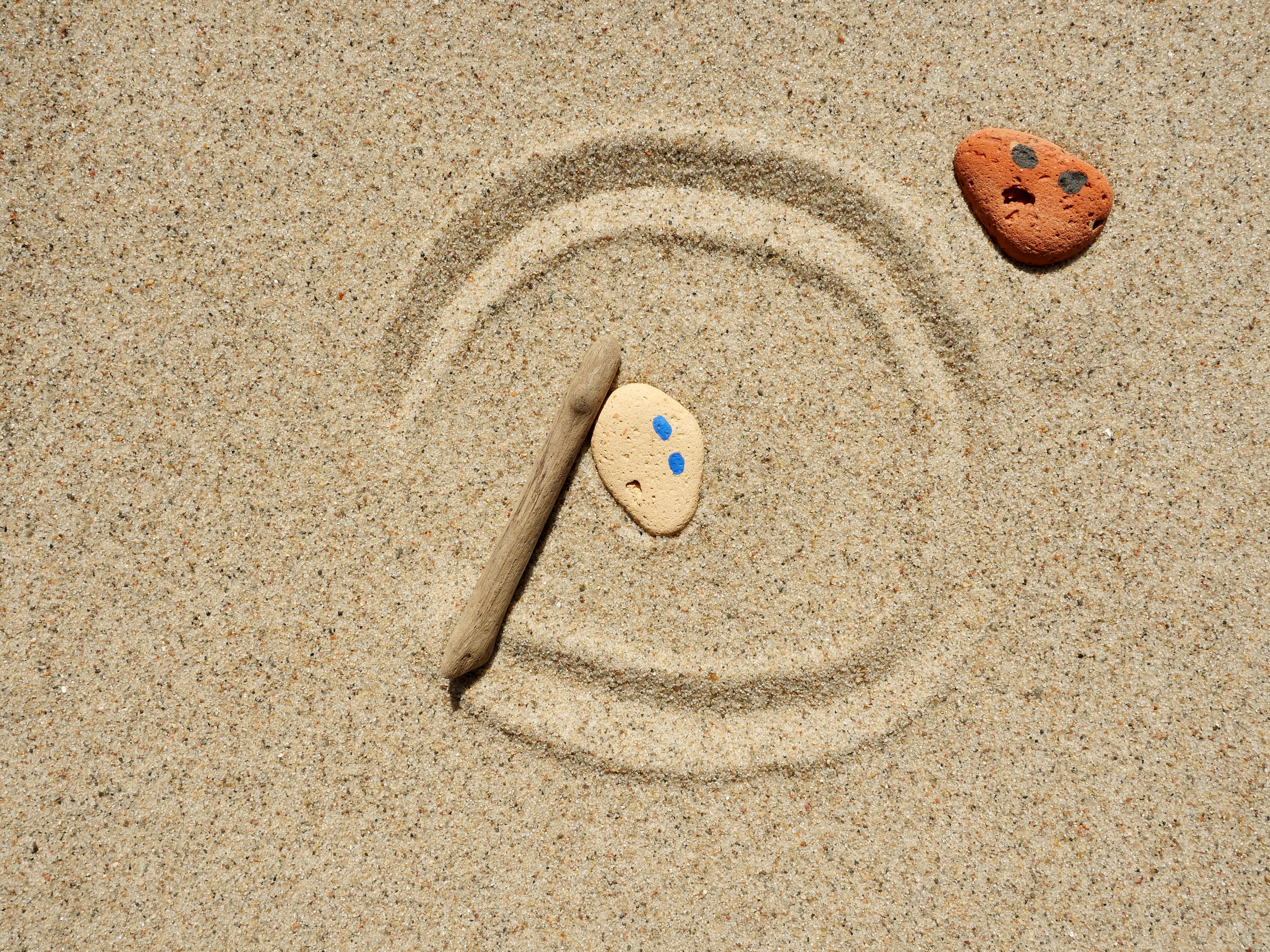
In reality, boundaries aren't rigid walls or a list of demands. They are simply the invisible lines where you end, and someone else begins. Think of them less like a prison fence and more like a property line with a very nice, welcoming garden gate. You get to decide who enters, how long they stay, and whether they need to take their muddy shoes off first.
The Boundary Buffet: What’s on the Menu?
We often think boundaries are just about saying "no" to extra work, but they come in a few different flavours:
-
Material Boundaries: Your stuff! It’s perfectly okay to say, "Yes, you can borrow my car," or "No, you cannot borrow my favorite leather jacket because you always spill ketchup on it."
Why Do We Dread Making Them?
Here is the truth: setting boundaries feels terrifying. Why? Because humans are wired for connection. We worry that the moment we say, "I can't talk on the phone right now," the other person will pack their bags and banish us to a lonely island. We mistake making boundaries all the time for rejection.
But here is the plot twist: boundaries actually protect relationships. When you don't set them, resentment builds. And resentment is a silent relationship killer. It’s much healthier to say a gentle "no" today than a passive-aggressive "fine" that turns into a volcano explosion six months from now (trust me the younger me can vouch for this)
The Sweet Spot of Comfort
Why do boundaries make us feel so comfortable once they are in place? Because they create predictability and safety.
When you clearly define your limits, your nervous system can finally take a breath. You stop scanning the room for threats or anticipating when you'll be taken advantage of. You know exactly what you are responsible for (your own feelings, your own actions) and what you are not responsible for (everyone else’s happiness).
Setting boundaries doesn't make you selfish or cold. It just makes you a human being with a limited amount of battery life. So go ahead—close that garden gate when you need a break. The people who truly love you will be happy to wait by the latch until you're ready to open it again. And in a perfect world they too will set their own boundaries......
How Can Psychotherapy Help?
If any of what I have said in this blog resonates with you, please know that you’re not alone, and it’s okay to ask for support. If you have been thinking about therapy or are simply looking for a safe place to talk and be heard, I would welcome the opportunity to support you. I am here.
Book a 15-minute complimentary consultation with Mary Keogh and start the conversation on how she can support you today.
About the Author
Mary Keogh is a Registered Psychotherapist who practices at the Adelaide Health Clinic. She sees individuals aged 18 and older in her practice. Mary specializes in helping individuals manage stress, emotional challenges, complicated relationships (romantic, workplace, friendships or family of origin) grief and difficult life transitions.