Creatine: Your Brainbuilding Supplement
By Meg Sharp MSc., Fitness & WellBeing Consultant
Creatine has long been associated with bodybuilding. This well-researched supplement increases the energy available to our cells so we can produce more energy and power for longer. It enables faster recovery, so we can tolerate higher training volumes. We’re now beginning to understand how beautifully these benefits translate to brain function.
Creatine works inside your cells’ mitochondria to help your cells generate ATP. Faster. And more of it.
ATP – Adenosine Triphosphate – is the primary energy currency of our cells. It captures energy from the breakdown of food and releases it to fuel muscle contraction and delay muscular fatigue. It also works this way in our brains where higher levels of ATP essentially make our brains faster, more powerful, more fatigue resistant and better able to handle high cognitive loads.

While only making up about 2% of our body weight, our brains account for about 20% of our total energy consumption. When we’re low on energy, it’s our brains that can take the biggest hit.
Here’s a quick snapshot of how Creatine supplementation can help:
-
A single dose of creatine can improve processing speed, mood and reaction time. While caffeine is also effective in this manner, creatine is not a stimulant and does not disrupt our ability to sleep. In fact some research shows taking creatine increases overall sleep duration and quality specifically on days following heavy resistance training.

Dosage:
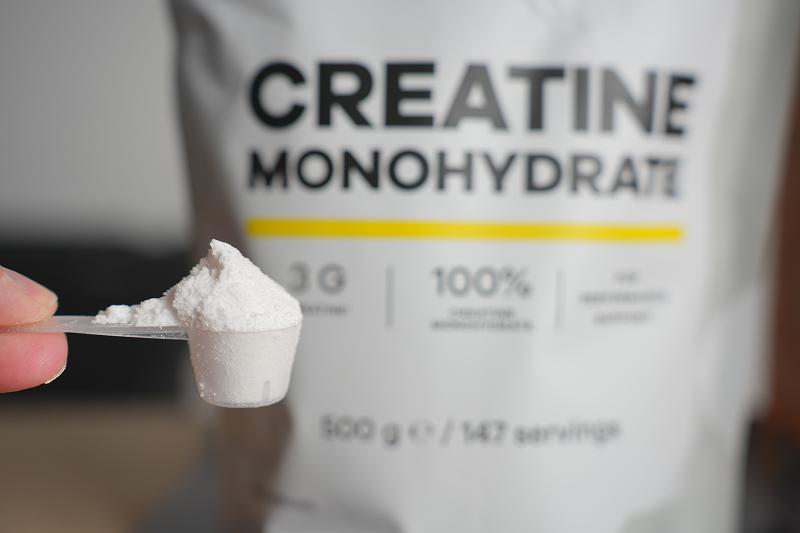
Creatine monohydrate is the most thoroughly researched and effective supplement. Begin with 3-5 grams per day consistently for 3-4 weeks. 10-20 grams per day may create more brain health benefits. Higher dosages should be divided into 5-10 gram portions throughout the day. Take with food to increase absorptions. Some people find dissolving the creatine in warm water just before digesting lessens bloating or stomach discomfort.
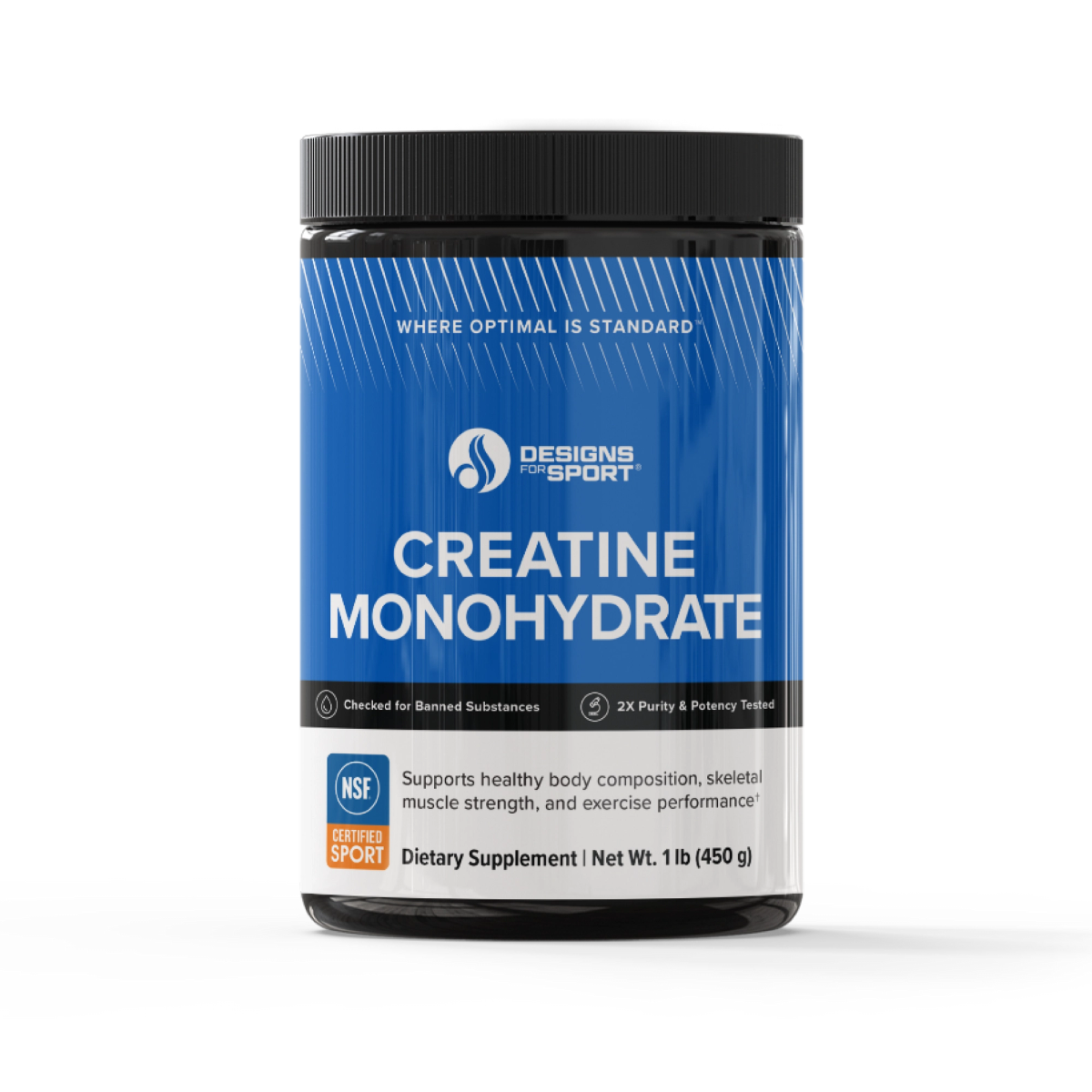
You can now purchase creatine directly at Toronto Sport Medicine Clinic OR Scan to place an order here.
References:
https://www.frontiersin.org/journals/nutrition/articles/10.3389/fnut.2024.1424972/full
https://www.sciencedirect.com/science/article/pii/S3050624726000033
https://pmc.ncbi.nlm.nih.gov/articles/PMC3257700/
https://pubmed.ncbi.nlm.nih.gov/39070254/
https://www.nature.com/articles/s41598-024-54249-9
https://pubmed.ncbi.nlm.nih.gov/39569425/