Summer Bladder Health: Don't Let Bladder Leakage Keep You from Staying Hydrated
By Joanne Ukposidolo, Registered Physiotherapist | Pelvic Health Specialist
As we begin to soak up the final weeks of summer, many of us are spending long days outdoors, walking, travelling, exercising, and enjoying the sunshine. But if you've found yourself avoiding your water bottle because you're worried about bladder leakage, you're not alone. While drinking less water may seem like a simple solution, it can actually make bladder symptoms worse.
When you don't drink enough water, your urine becomes more concentrated. For some people, concentrated urine can irritate the bladder lining, leading to increased urgency, frequency, and discomfort. Staying well hydrated supports healthy bladder function and your overall health.
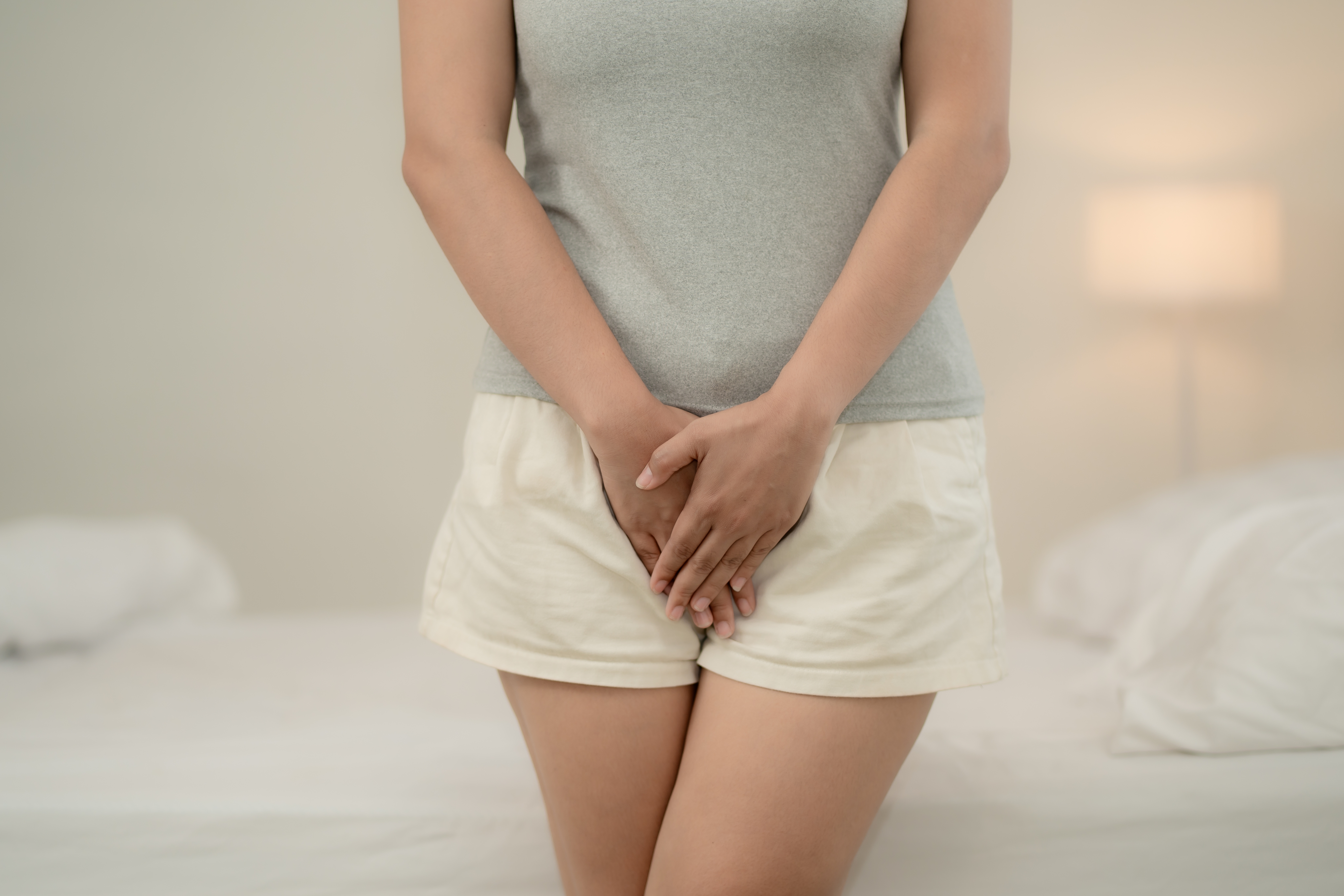
A Common Myth
Myth: "If I drink less water, I'll leak less."
Fact: While drinking excessive amounts of fluid may increase the need to urinate, significantly restricting fluids often results in concentrated urine that can irritate the bladder and worsen symptoms. Drinking adequate water consistently throughout the day is generally much healthier for your bladder than avoiding fluids altogether.
Understanding the Different Types of Bladder Symptoms
Not all bladder leakage is the same. Understanding your symptoms is the first step toward finding the right treatment.
Stress Urinary Incontinence
Stress urinary incontinence occurs when leakage happens because pressure inside the abdomen increases, exceeding the bladder's ability to stay closed.
Common triggers include:
Urge Urinary Incontinence
Urge urinary incontinence is a sudden, overwhelming need to urinate that is difficult to delay, often resulting in leakage before reaching the bathroom.
Common symptoms include:
Mixed Urinary Incontinence
Mixed urinary incontinence is a combination of both stress and urge urinary incontinence.
People with mixed incontinence may experience:
Urinary Frequency
Urinary frequency is the need to urinate more often than is comfortable or typical for you, even if you do not experience leakage.
This may include:
Healthy Bladder Habits This Summer
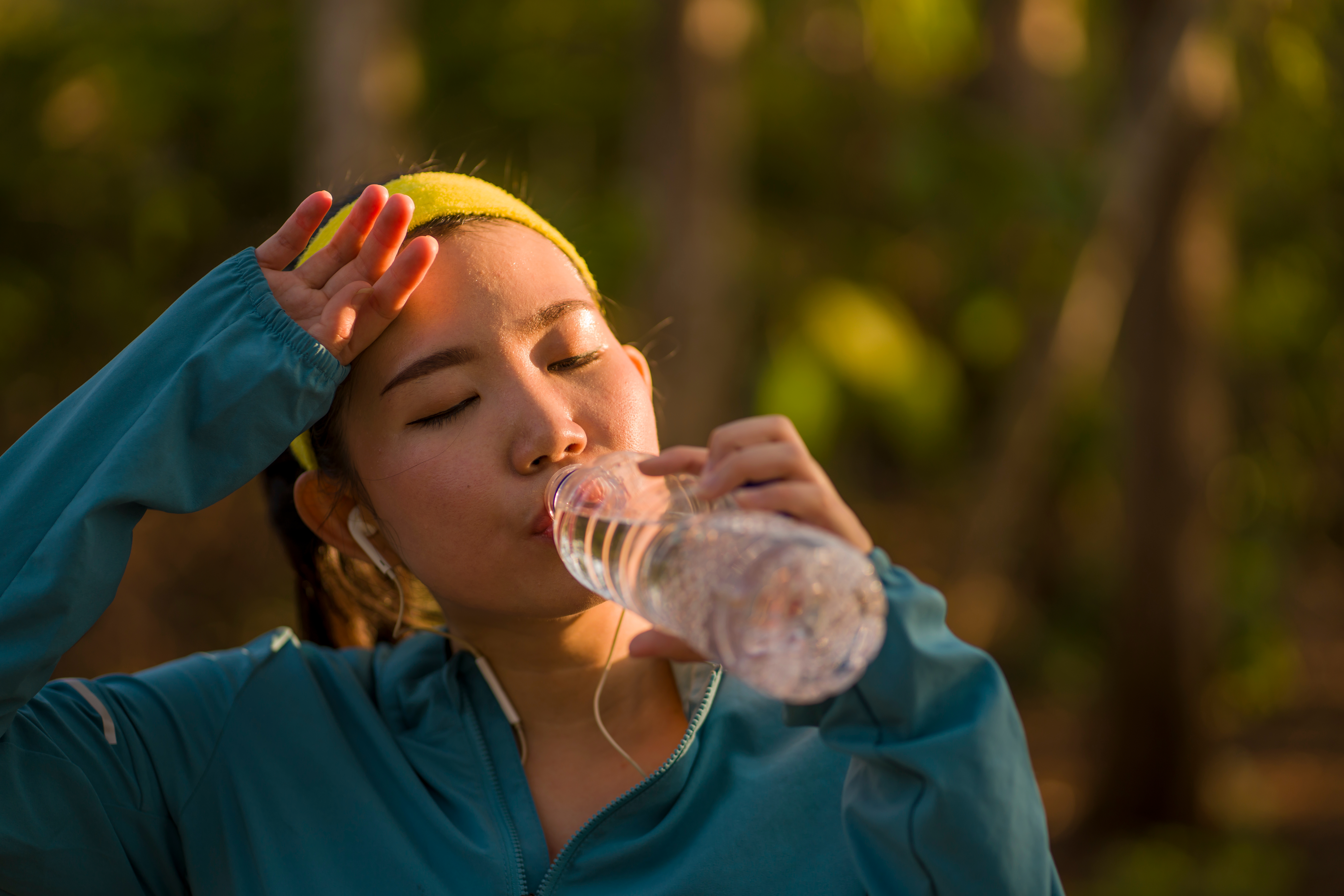
Rather than avoiding water, try these bladder-friendly habits:
-
If leakage, urgency, or frequency is affecting your quality of life, seek an assessment from a pelvic health physiotherapist to identify the underlying cause and develop an individualized treatment plan.
You Don't Have to Live with Bladder Leakage
Bladder leakage is common, but it is not a normal or inevitable part of aging, exercise, or motherhood. In many cases, pelvic health physiotherapy can significantly improve symptoms through education, exercise, bladder retraining, and personalized treatment strategies.
This summer, don't let bladder concerns keep you from enjoying time outdoors, staying active, or drinking enough water. With the right support, you can feel more confident, comfortable, and in control of your bladder health.
Interested in learning more?
If bladder symptoms are affecting your daily life, book a pelvic health physiotherapy assessment to receive a personalized treatment plan and start your journey toward improved bladder health.
Disclaimer
This article is intended for educational purposes only and should not be considered medical advice. Every individual is unique, and bladder symptoms can have many different causes. If you are experiencing persistent bladder leakage, urgency, frequency, pain, or other concerning symptoms, please consult your healthcare provider or a pelvic health physiotherapist for a comprehensive assessment and individualized treatment plan.
About the Author
Joanne Ukposidolo, PT, is a Registered Physiotherapist with a special interest in pelvic health at The Adelaide Health Clinic. She is dedicated to providing evidence-informed, compassionate care for individuals experiencing bladder and bowel concerns, pelvic pain, pregnancy and postpartum conditions, and pelvic floor dysfunction. Through education and personalized treatment, Joanne empowers her patients to move with confidence and achieve their health goals.